Google AI ad labels, Meta chat metrics: the July 10 brief
Google AI ad labels, Meta chatbot metrics, and a Google reviews bug move CAC, pipeline quality, and local conversion in the July 10 brief.
Partner links appear below. Buying through one pays The Margin a commission and costs you nothing extra. How we make money.
Cheaper AI-made ads now carry a new trust cost, and automated chat has to prove it creates pipeline instead of noise. Google and Meta both moved the reporting layer on July 9. For owners, the budget question is whether faster creative and faster replies still produce qualified leads.
Google labels AI-made ads, and trust becomes a conversion cost
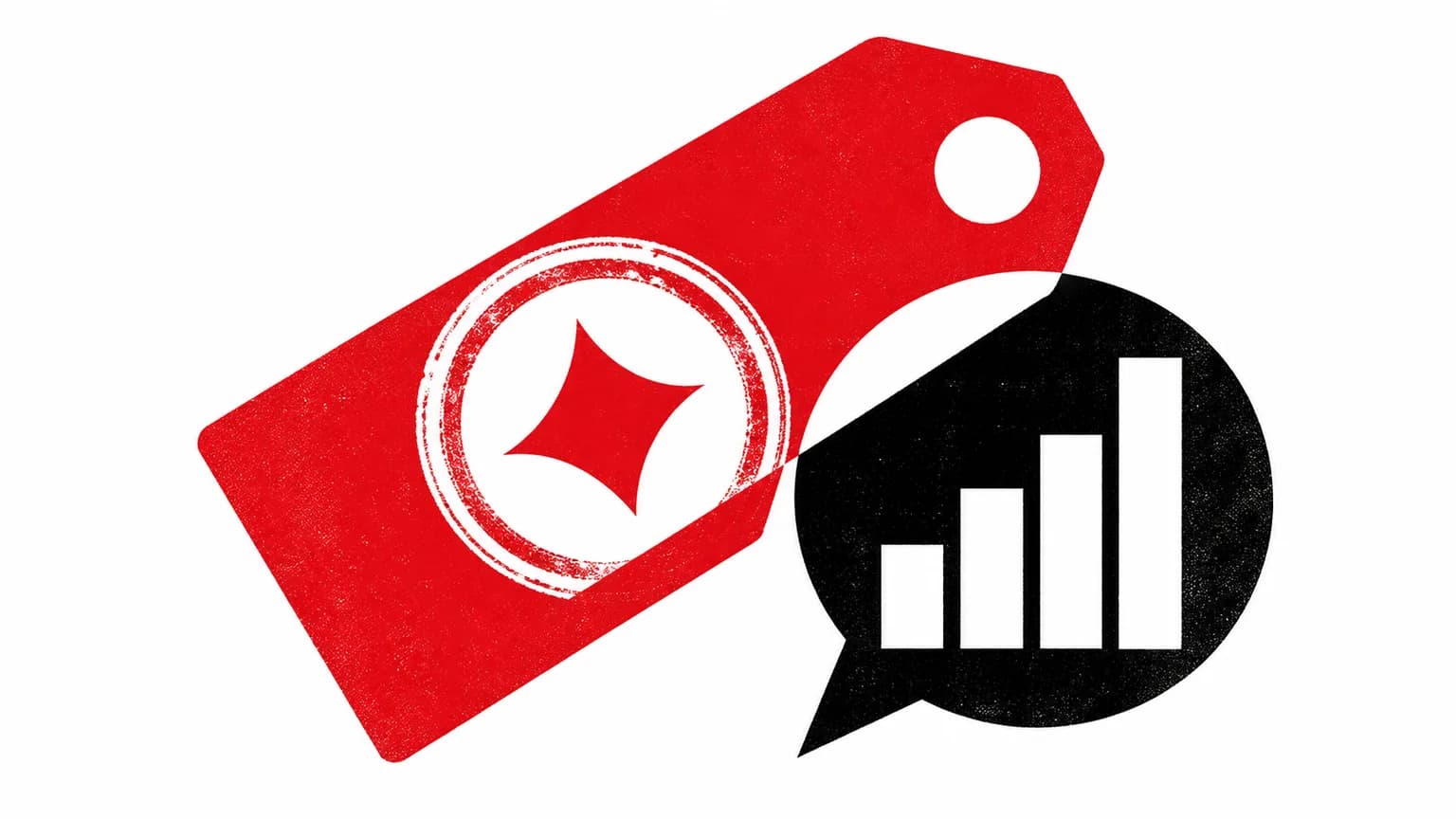
Google added a new disclosure panel for ads made with generative AI, which means software that creates text, images, or video from patterns in data, according to Social Media Today on July 9. Viewers can open the three-dot menu on a Google ad and see a "how this ad was made" section when AI use is detected or declared.
The money lever is conversion rate, the share of people who take the action you paid for after seeing or clicking an ad. If AI creative makes ten versions of an ad cheaper, your production cost falls. But if a disclosure makes the offer feel less real, or the image overstates the product, the savings move from the design line to the wasted-click line.
Google said ads created with its own generative AI ad tools will get an automatic disclosure in My Ad Center, while advertisers using outside AI tools get a control to indicate AI use. It also said SynthID, Google's digital watermarking system, and C2PA metadata can help detect AI-made content. The direction is clear: disclosure is becoming part of the ad experience, not a back-office policy note.
Your move
This fits the control problem in Google Ads budget waste. Automation can lower the cost of making ads, but it does not lower the cost of sending the wrong buyer to the wrong page.
Meta turns AI chat from activity into pipeline math
Meta added new Meta Business Agent metrics in Meta Business Suite, according to its Business Help Center and Social Media Today's July 9 report. A Business Agent is Meta's AI chatbot for Messenger and WhatsApp, built to answer customer questions.
The useful part is what Meta chose to count. The new metrics include AI conversations, contacts with intent to buy, and containment rate. In plain English: how many chats the bot handled, how many people looked ready to purchase, and what share of conversations did not need a human handoff.
That moves pipeline quality. Pipeline means the list of possible customers moving from first question to sale. A chatbot that answers "what are your hours?" is convenient. A chatbot that identifies purchase intent and routes the person into a CRM, the system that stores leads and follow-up, can protect revenue after ad spend has already bought the attention.
Where it breaks is counting solved chats as solved business. A high containment rate can hide missed revenue if the bot keeps a serious buyer away from a person who could close. For service businesses, the best read is not "did the bot finish the chat?" It is "did the chat create a booked call, quote request, or paid order?"
Meta's broader ad automation push already made input quality more important, which we covered in Meta Advantage+ budgets. This is the same handoff, just after the click. If the machine is answering the customer, your measurement has to follow the customer into the pipeline.
Google reviews wobble again, and local proof still prices leads
Google Business Profile reviews briefly appeared missing for some owners on July 9, with Search Engine Roundtable reporting that dashboards showed "You have no reviews yet" even when live listings still showed review counts. One example cited by a Google Product Expert involved a listing with 916 reviews still visible publicly.
The money lever is local conversion. Reviews are proof at the exact moment a buyer is choosing who to call. If the owner dashboard says reviews disappeared, the first risk is not the public listing. The first risk is panic: changing profiles, opening disputes, or pausing local ads before confirming what customers actually see.
Search Engine Roundtable later updated the post to say Google had reportedly resolved an issue with reviews being hidden after fake-review disputes, while advising owners to allow a day or two for visibility to settle. That makes this a monitoring story, not a rebuild story.
The operator move is boring and valuable. Check the public profile from a clean browser, screenshot the live review count, and log the time. Then check whether branded search, the searches where people type your business name, is still producing calls or form fills. We covered why that named demand matters in branded search demand. If customers still see proof, do not rewrite the profile because the dashboard scared you.
What to watch
Meta's AI ad disclosure labels are moving alongside Google's, so creative review needs to become a shared paid-ads process, not a platform-specific habit.
If Meta starts charging more directly for business AI agents, the new chat metrics become margin math: saved support time versus lost or created sales.
Local-review bugs are worth tracking because one hidden proof layer can raise CAC, the cost to win a customer, even when your ads did nothing wrong.
About The Margin
The brief on marketing that actually pays. Funnels, CRM, paid ads and lead gen for operators who care about ROI. How we work
The Margin · Daily Brief
Know what changed before it costs you
Each weekday: one shift in marketing, what it does to your numbers, and the move that protects them.
Short, priced, weekday mornings. Out in one click if it stops paying.
Keep reading
Related briefings
Google charges missed calls, Meta opens DMs: Aug. 26
Google expands chargeable local leads as Meta tests comment-to-DM ads and TikTok puts creator campaigns on more public screens.

Meta cuts placement control, Google eases tests: Aug. 21
Meta removes ad-placement choices as Google simplifies search tests, expands customer matching, and Microsoft widens AI Max.

Meta ad sales surge, Reddit demand climbs: July 31
Meta and Reddit report faster ad growth while Google repairs a blind spot in offline conversion tracking. The July 31 growth marketing brief.