Google AI Overviews: the new CAC math for small brands
Google AI Overviews now answer the searches that fed your cheapest leads, so blended CAC creeps up. Move spend to the pages that still get the click.
Partner links appear below. Buying through one pays The Margin a commission and costs you nothing extra. How we make money.
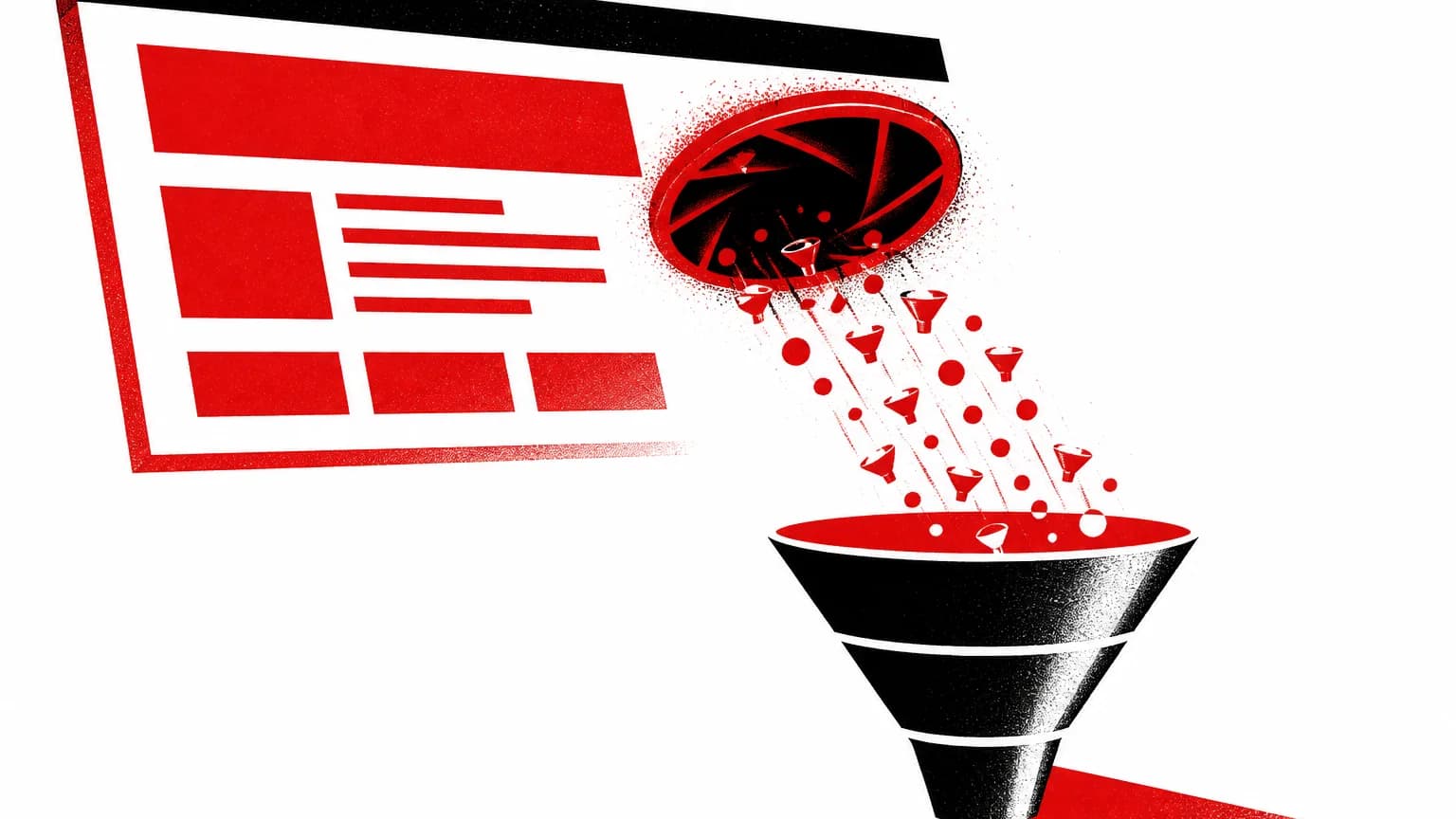
The cheapest leads you ever got were the free clicks from people asking Google a question your website answered. The visit cost nothing but the writing. That line item is repricing. Google now answers a large share of those research searches right on the results page, inside an AI Overview (the AI-written answer box at the top), so the searcher never reaches your site. The free clicks that fed the top of your sales pipeline are draining, and the budget you save by ignoring it comes back as a higher average cost to win each new customer.
What happened
AI Overviews started as a US experiment in 2024 and widened fast. At its I/O event in May 2026, Google said its conversational AI Mode crossed one billion monthly users, and that AI Overviews reach roughly two billion people every month. (Google's I/O recap confirms AI Mode; TechCrunch reported the two-billion figure.)
people per month
monthly, as of May 2026
ads inside AI answers, Dec 2025
Coverage is uneven, and the unevenness is the whole story for your budget. Tracking firms put the AI answer box on roughly half of all searches, climbing higher in health, finance, and tech, where most searches are questions. The more a question can be answered in a paragraph, the more likely Google answers it for you. In December 2025 Google also pushed ads inside those AI answers into eleven more countries. Read that as a pricing signal: the free traffic at the top is turning into space Google sells.
The money angle
The traffic you are losing is your cheapest traffic. That is what makes this expensive. Posts answering research questions were always weak at turning readers into buyers, so losing them dents your traffic chart far more than your revenue. The visits that still turn into money sit elsewhere. Someone searching your business name, or "[your service] near me", is hard for an answer box to satisfy without sending a click, and that click books work.
Being known now buys a place in the answer too. Google's AI tends to cite recognizable, frequently-mentioned businesses, so brand recognition has quietly become a discount you earn instead of buy. Worth chasing as a long-term asset. Not a traffic line you can forecast.
Where it breaks
The failure mode is spending the next quarter trying to win back research clicks that are not coming back. Owners see the dip, panic, and publish more how-to posts aimed at the exact questions the answer box now handles. That is the one place the leak is widest. The budget belongs downstream, on searches that still send a buyer and pages that turn a buyer into revenue. How buyers get pointed at businesses now is the thread we follow in how AI decides which business to recommend and why people search your brand by name.
Your move this week
Tools earn their place by showing which searches still pay and by catching the visit, since each surviving lead carries more revenue weight. Semrush maps which searches in your category still send clicks. Surfer helps build the page that wins them. A booking and follow-up system like GoHighLevel makes sure a scarcer lead never cools off before you reply.
What the work needs
 Semrushfind ready-to-buy searches still sending clicks
 Surferbuild the page that wins them
 GoHighLevelbooking, forms, instant follow-up
What to watch
Two questions decide the cost. First, the price of the answer box: Google is wiring ads into its AI answers, so watch whether buying that space stays affordable for a small budget or becomes an auction only big spenders win. Second, the links inside the answers: a mention in an AI Overview sends only a trickle of visitors today, and that math changes only if Google starts sending real volume. More on the wider shift in our lead gen coverage.
Frequently asked questions
How exactly do AI Overviews push my cost per acquisition up?
By repricing your cheapest input. Clicks from people researching a question used to arrive free and fed the top of your sales pipeline; when Google's AI answers those searches on the results page, the leads they produced have to be replaced with paid traffic or better-converting pages. Same revenue target, more paid spend in the mix, so your average cost per new customer climbs even though no invoice says AI on it.
Which of my pages should keep their budget, and which get cut?
Keep funding anything a ready buyer lands on: service and pricing pages, local landing pages, comparison pages for buying-intent searches, and your Google Maps profile. Cut, or stop producing, thin how-to posts aimed at questions Google's AI now answers. Their job was cheap clicks, and that job no longer pays the content bill.
Is there a defensive spend that protects revenue while this shifts?
Yes, and it is small: make sure your three highest-intent searches each land on a strong page with an email signup box and a booking link, and fix your Google Business Profile. Both moves protect the clicks that book revenue, cost hours rather than budget, and pay back regardless of what Google does to the answer box next.
How do I forecast next year's lead flow with Overviews expanding?
Forecast by search type, not total traffic. Assume research-question visits keep sliding, and model name searches, local searches and ready-to-buy searches separately, since those still send clicks that turn into customers. If the paid share of your mix is rising, budget for it now; the expensive surprise is discovering the free-click subsidy is gone mid-quarter.
About The Margin
The brief on marketing that actually pays. Funnels, CRM, paid ads and lead gen for operators who care about ROI. How we work
The Margin · Daily Brief
Know what changed before it costs you
Each weekday: one shift in marketing, what it does to your numbers, and the move that protects them.
Short, priced, weekday mornings. Out in one click if it stops paying.
Keep reading
Related briefings
AI recommendations are rerouting buying. The margin view
AI recommendations convert about a third better than other traffic, per Adobe. Feeds, reviews and schema get you named without spending ad budget.
The move. Buyers sent your way by an AI assistant turn into customers about a third more often than other visitors, and the way in is free: Google's product feed, Perplexity's merchant program, machine-readable page labels, and fresh reviews. If you are not in the data, you are not in the answer, and you pay for that buyer somewhere else.

Branded search in 2026: demand you already paid for
Branded search converts near a sale for close to nothing while category clicks reprice every quarter. The budget case for owning your own name.
The move. People searching your name are the cheapest, best-converting customers you will ever get, and no algorithm change can reprice them. Build demand for your name, own the first screen of results on it, and become the source the AI repeats.
Google Ads budget controls 2026: stop the quiet overspend
Google Ads budget controls are back: negative keywords, placement exclusions and a search terms report put a price on Performance Max waste.
The move. Three new controls let you stop Performance Max from spending on junk and from buying back your own brand. Turn them on and you recover budget that was leaking straight out the bottom of the funnel.